Labor Zionism
The socialist strand of Zionism that built the State of Israel through the kibbutzim, the Histadrut labor federation, and Ben-Gurion's Mapai party, uniting Jewish nationalism, collective work on the land, and a secular welfare state.
Home / Ideologies / Labor Zionism
The socialist strand of Zionism that built the State of Israel through the kibbutzim, the Histadrut labor federation, and Ben-Gurion's Mapai party, uniting Jewish nationalism, collective work on the land, and a secular welfare state.
In one sentence
I want to build the Jewish nation with our own hands, in kibbutzim and strong unions, with public land and a secular welfare state.
Political axes
Leans further toward militarist than 74% of the 263 ideologies in the catalog.
Of all the axes, Diplomacy is where it stands furthest from the rest.
On Trade, it sits close to the catalog median.
Here it shares common ground with most ideologies.
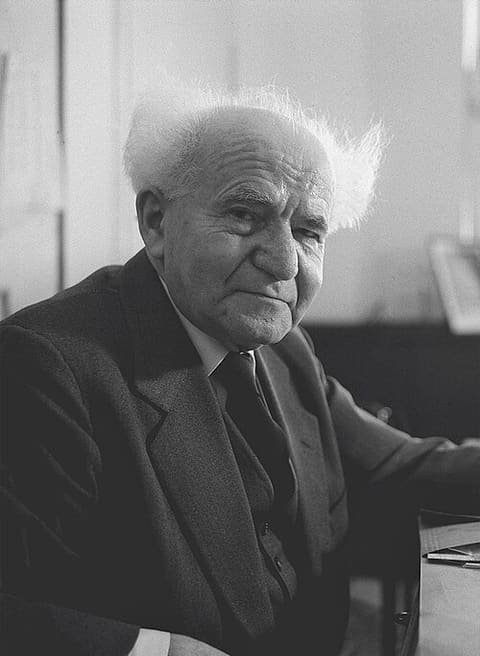
Leader of Labor Zionism and the Mapai party, Ben-Gurion proclaimed Israel's independence in 1948 and was its first prime minister, building a secular, centralized state with a strong public sector, kibbutzim, and the army as the school of the nation.
Closest, by dimension
Other compatible profiles

The most distant
Reference country
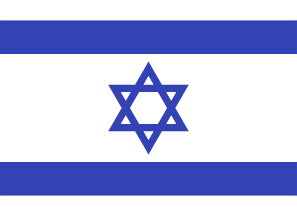
A parliamentary republic in the Middle East, Israel combines a vibrant democracy, a strong Jewish national identity, an advanced technology economy, and a prolonged conflict with the Palestinians that dominates its politics and security.
Other close countries

A European semi-presidential republic, France combines a strong republican and secular tradition, a robust welfare state, a mixed economy, and a prominent diplomatic, cultural, and military role in the European Union and the world.
Also close, by dimension
The most distant
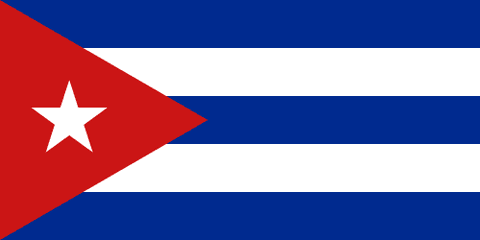
Ruled by Fidel Castro from 1959 to 2008, Cuba became a one-party socialist state, with a nationalized economy, universal health and education, a Soviet alliance, repression of dissidents, mass exile and confrontation with the United States, from the embargo to the missile crisis.
Also close, by dimension

The most distant
Ideological proximity
Closest within Left
Socialist current that seeks to emancipate workers through the national state itself, with universal suffrage, producer cooperatives funded by public money and an explicit refusal of the revolutionary path.
Current that advocates industrialization, national sovereignty, and strategic state planning, seeking to modernize the economy through public investment, productive protection, and coordination between government, science, and national companies.
Current that unites national sovereignty, economic protection, and popular integration with progressive social reforms, seeking a state capable of defending the nation while expanding rights, equality, and inclusion.
Closest in other spectrums
Sun Yat-sen's republican doctrine, articulated in the Three Principles of the People: nationalism, democracy, and the people's livelihood. Its program envisioned transitional political tutelage, popular sovereignty, and social and economic reforms.
Doctrine of Mustafa Kemal Atatürk that founded modern Turkey on six arrows: republicanism, nationalism, populism, statism, laicism and reformism, imposing Westernization and state control of religion from above.
A republican current inspired by Machiavelli’s Discourses on Livy. It defends civic liberty through laws, popular participation, and regulated conflict among social groups, allowing exceptional measures to preserve the republic.
The most distant ideology
Anarcho-MonarchismLibertarian34%