Progressive Nationalism
Current that unites national sovereignty, economic protection, and popular integration with progressive social reforms, seeking a state capable of defending the nation while expanding rights, equality, and inclusion.
Home / Ideologies / Progressive Nationalism
Current that unites national sovereignty, economic protection, and popular integration with progressive social reforms, seeking a state capable of defending the nation while expanding rights, equality, and inclusion.
In one sentence
I want a sovereign, economically protected nation that expands rights and equality through progressive social reforms.
Political axes
Leans further toward progressive than 88% of the 263 ideologies in the catalog.
Of all the axes, Morality is where it stands furthest from the rest.
On Power, it sits practically at the catalog median.
Here it shares common ground with most ideologies.

A Brazilian economist and former finance minister, Bresser-Pereira formulated new developmentalism, defending a competitive exchange rate, national industry and a reformed state that drives growth without abandoning democracy.
Closest, by dimension


Other compatible profiles





The most distant
Reference country
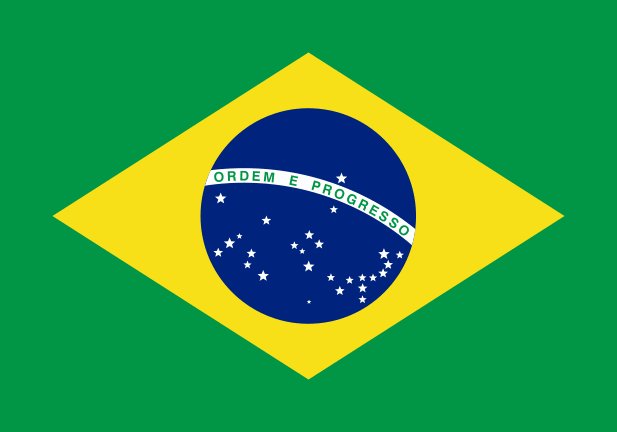
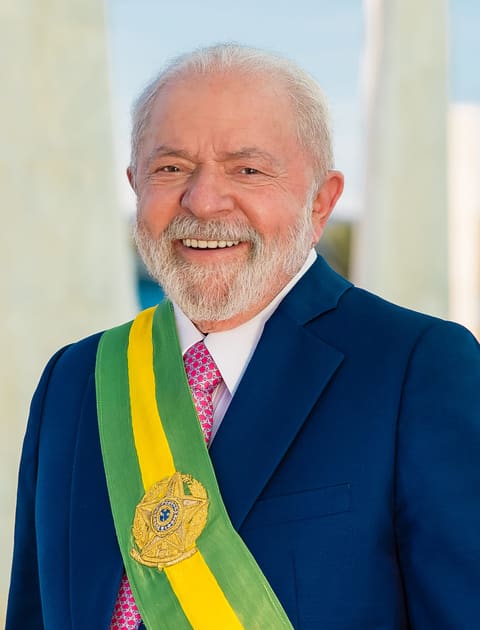
The largest country in Latin America, Brazil is a democratic presidential federal republic with a mixed economy, broad social policies, and strong regional, cultural, and political diversity that shapes its electoral disputes.
Other close countries

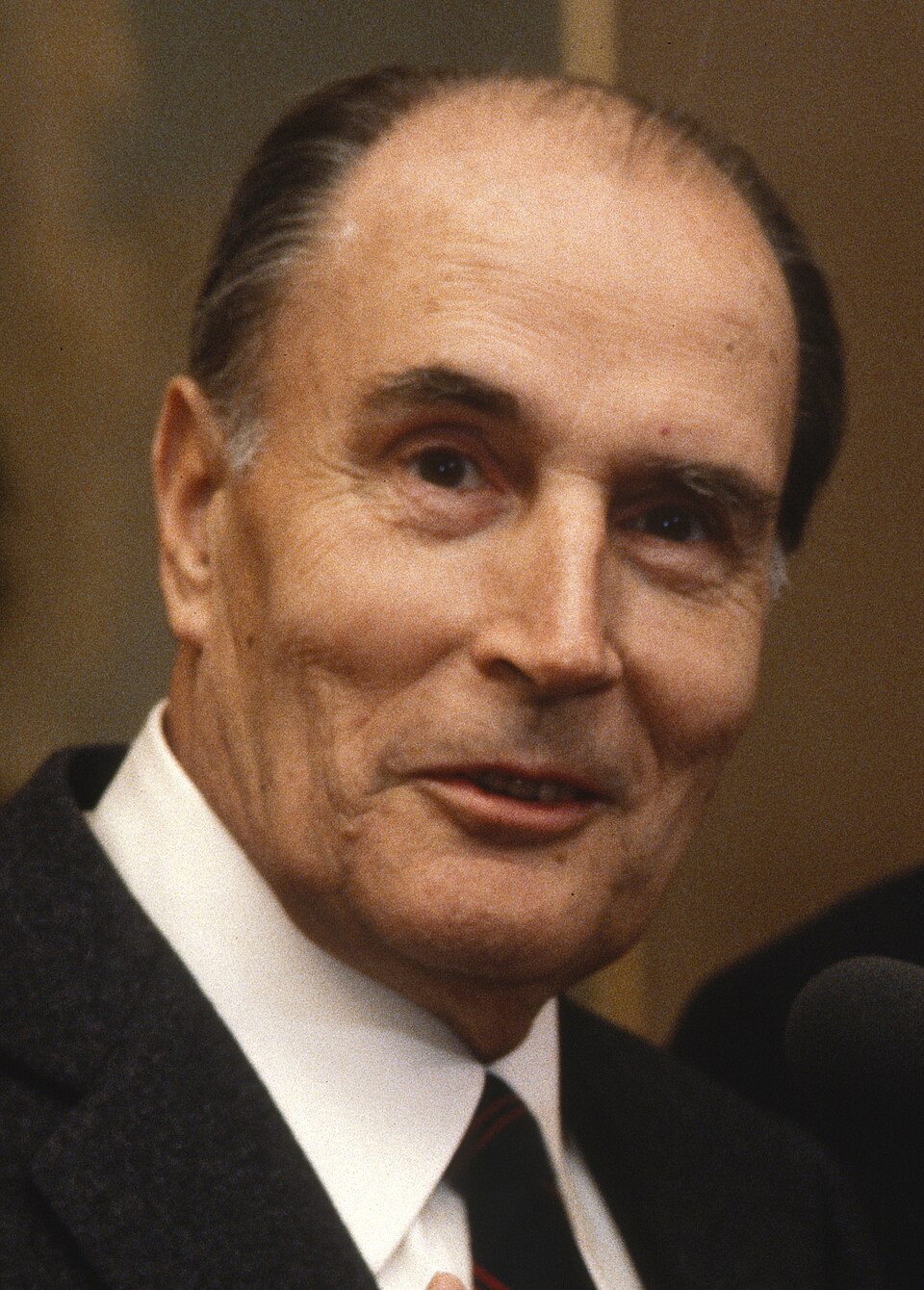
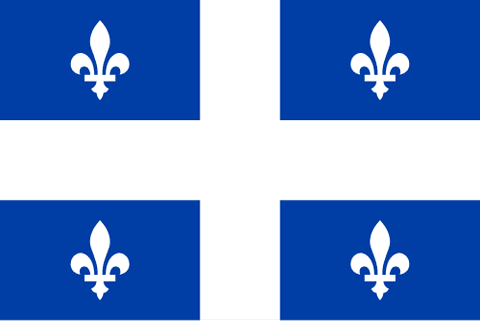
A European semi-presidential republic, France combines a strong republican and secular tradition, a robust welfare state, a mixed economy, and a prominent diplomatic, cultural, and military role in the European Union and the world.
Also close, by dimension


The most distant
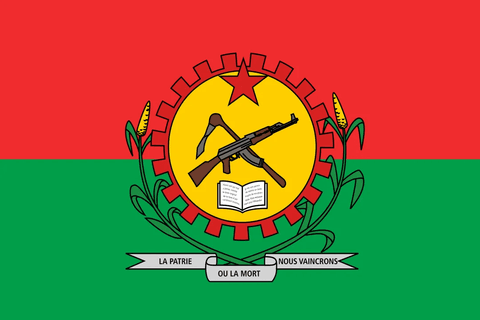
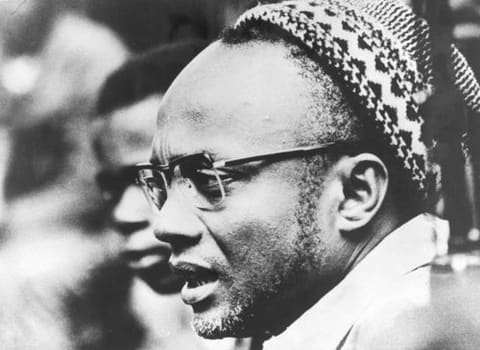
Under Thomas Sankara, Burkina Faso combined food self-sufficiency, mass vaccination and literacy campaigns, women's emancipation, rejection of foreign debt, and a frontal break with French neocolonialism.
Also close, by dimension

The most distant
Ideological proximity
Closest within Left
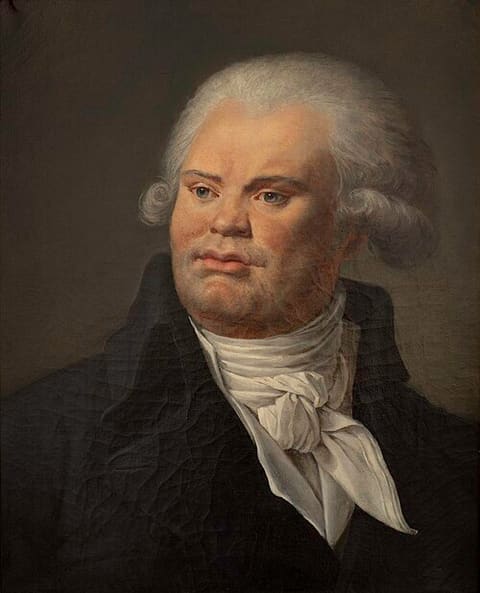
A current that sees the unitary, centralized state as the guarantor of individual liberty: uniform law, secularism and single citizenship dismantle the local, clerical and corporate privileges that would oppress the individual without a strong national power.
A 1970s Western European communist current that sought a national path to socialism through elections, party pluralism and civil liberties, independent of Moscow, with a mixed economy under democratic planning.
Current that seeks to reconcile capitalism and social justice through democracy, defending regulated markets, a strong welfare state, labor rights, and redistribution to reduce social inequalities.
Closest in other spectrums
Nationalism based on citizenship and shared values rather than ethnicity, defining the nation by adherence to common laws and institutions, open to all who accept its democratic and civic principles.
Political tradition that values popular sovereignty, civic virtue, and the rule of law, defending citizens' self-government, the separation of powers, and protection against tyranny and the corruption of power.
Current that proposes tackling population pressure on resources through contraception, voluntary family planning, sex education and women's reproductive autonomy, backed by public health and development.
The most distant ideology
Confederate ConservatismFar-Right37%