State Developmentalism
Model in which the state directs industrialization and economic growth through planning, public investment, and industrial protection, seeking to overcome the nation's backwardness and external dependence.
Home / Ideologies / State Developmentalism
Model in which the state directs industrialization and economic growth through planning, public investment, and industrial protection, seeking to overcome the nation's backwardness and external dependence.
In one sentence
I want a state that drives industrialization through plans and public investment, protecting industry against external dependence.
Political axes
Leans further toward autocracy than 73% of the 263 ideologies in the catalog.
Of all the axes, Representation is where it stands furthest from the rest.
On Diplomacy, it sits practically at the catalog median.
Here it shares common ground with most ideologies.
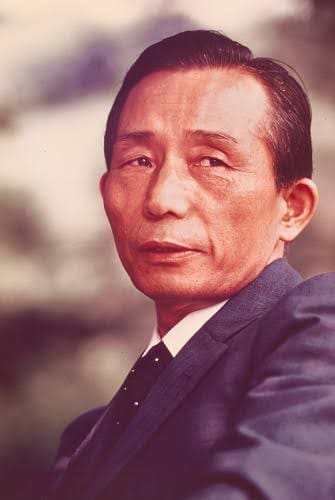
A South Korean dictator, Park Chung-hee led an authoritarian developmentalist regime that rapidly industrialized South Korea through state planning and discipline, turning the country into an economic power.
Closest, by dimension

Other compatible profiles



The most distant
Reference country

An Asian presidential republic, South Korea combines a vibrant democracy, an export-oriented market economy, and technological leadership, the result of rapid development under strong state impetus.
Other close countries

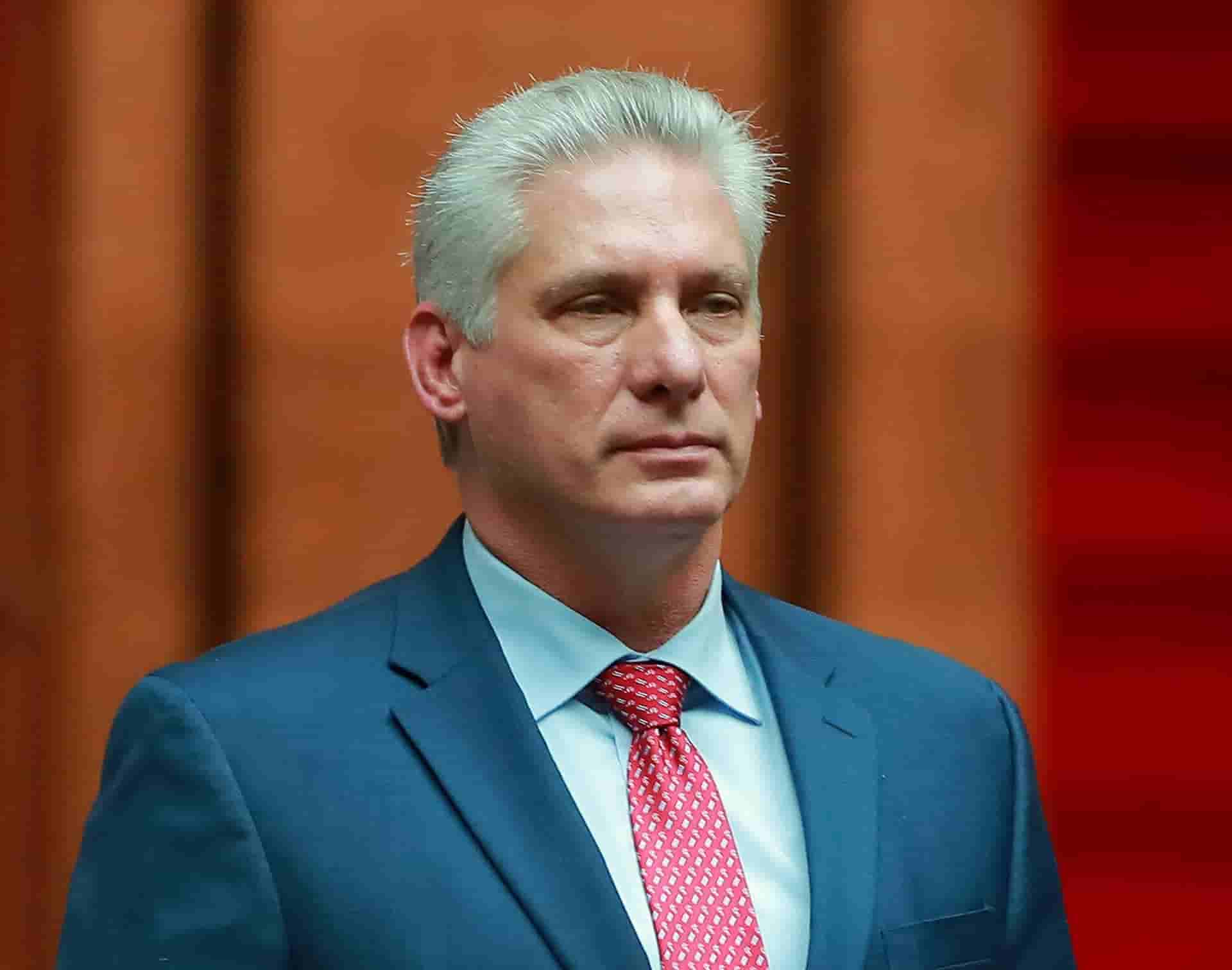
A single-party socialist state in the Caribbean, Cuba maintains a planned economy, strong state control, and universal public services, with power centralized since the revolution led by Fidel Castro in 1959.
Also close, by dimension



The most distant

Ruled by Fidel Castro from 1959 to 2008, Cuba became a one-party socialist state, with a nationalized economy, universal health and education, a Soviet alliance, repression of dissidents, mass exile and confrontation with the United States, from the embargo to the missile crisis.
Also close, by dimension



The most distant
Ideological proximity
Closest within Left
Socialist current born of national liberation struggles in Africa, Asia, and Latin America, defending economic sovereignty, resource nationalization, non-alignment, and solidarity among peoples of the Global South against imperialism.
Current that advocates industrialization, national sovereignty, and strategic state planning, seeking to modernize the economy through public investment, productive protection, and coordination between government, science, and national companies.
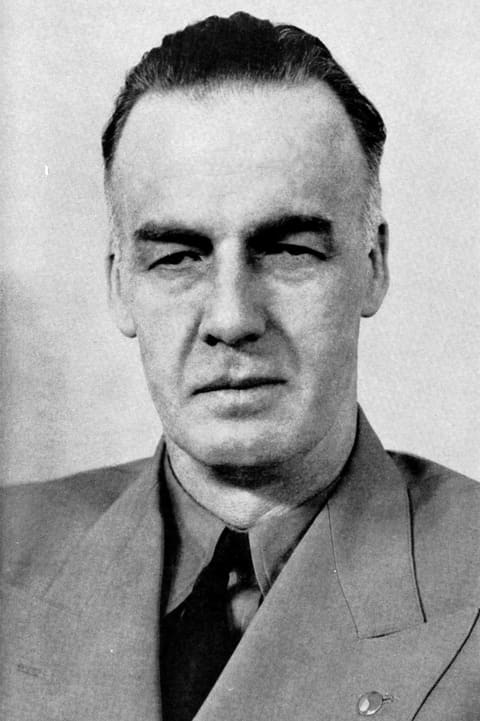
Model that combines socialist planning with scientific management of the economy, entrusting expert committees, rather than elections or party competition, with the rational organization of production and the egalitarian distribution of society's resources.
Closest in other spectrums
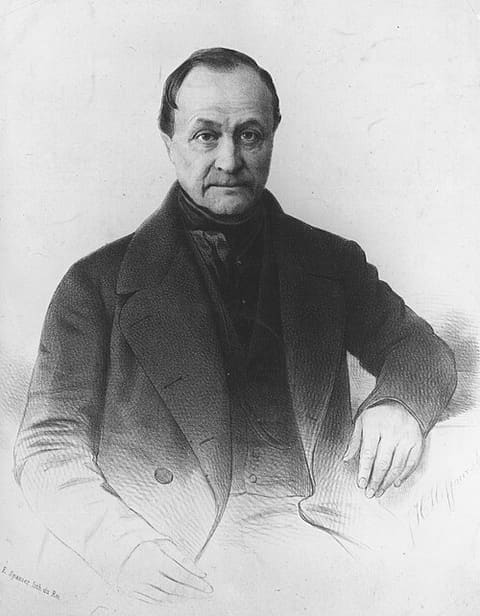
Current inspired by Auguste Comte that trusts science and reason to organize society, defending order, progress, and technical administration guided by knowledge in place of metaphysics and tradition.
Project that imposes progressive social transformations from above, using state power to accelerate changes in customs and equality, even at the cost of individual liberties and organized political opposition.
System in which the state controls the means of production and directs the economy through central planning, promoting industrialization and welfare under strong political authority and limited popular democratic participation.
The most distant ideology
Anarcho-ConservatismLibertarian31%