Modernizing Authoritarianism
Model inspired by Park Chung-hee's regime, combining state-led industrialization, credit for private firms, and planning with anti-communist political repression.
Home / Ideologies / Modernizing Authoritarianism
Model inspired by Park Chung-hee's regime, combining state-led industrialization, credit for private firms, and planning with anti-communist political repression.
In one sentence
I want a developmental state directing credit and private industry, imposing political order in the name of national progress.
Political axes
Leans further toward autocracy than 98% of the 263 ideologies in the catalog.
Of all the axes, Representation is where it stands furthest from the rest.
On Technology, it sits practically at the catalog median.
Here it shares common ground with most ideologies.
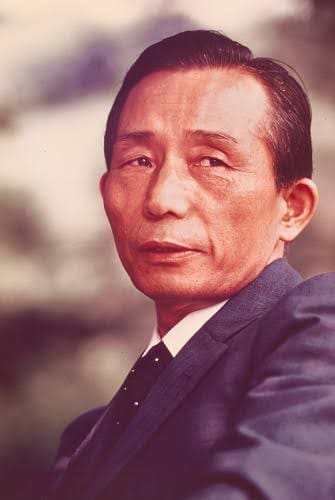
A South Korean dictator, Park Chung-hee led an authoritarian developmentalist regime that rapidly industrialized South Korea through state planning and discipline, turning the country into an economic power.
Closest, by dimension
Other compatible profiles
The most distant
Reference country

An Asian presidential republic, South Korea combines a vibrant democracy, an export-oriented market economy, and technological leadership, the result of rapid development under strong state impetus.
Other close countries
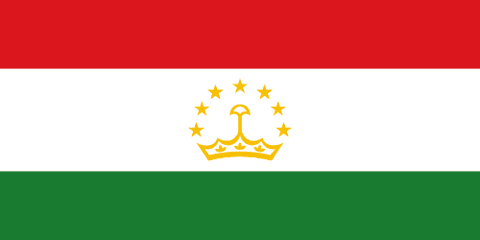
Tajikistan has been ruled by Emomali Rahmon since 1992, with power gradually passed to his son, a banned opposition, repression of Islamists and the hijab, a remittance and aluminum economy and reliance on Russia and China.
Also close, by dimension


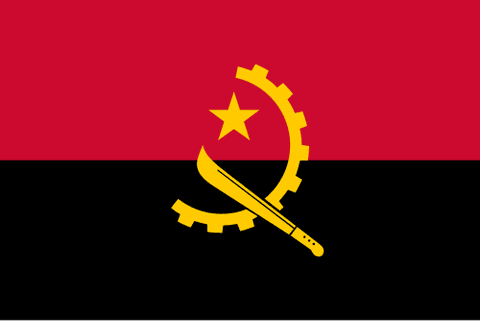
The most distant
Under Park Chung Hee, South Korea combined military-authoritarian rule, rigid anti-communism, social discipline, and state planning aimed at export-led industrialization, building the major chaebols and preparing the country's technological rise.
Also close, by dimension
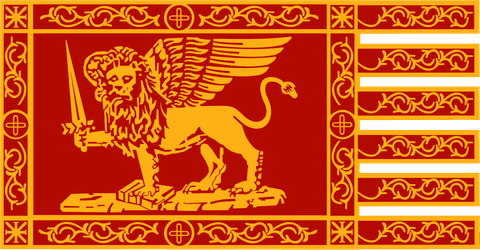
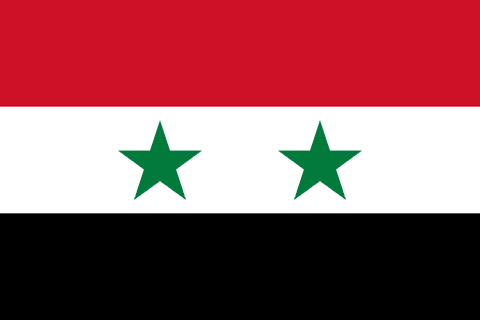

The most distant
Ideological proximity
Closest within Right
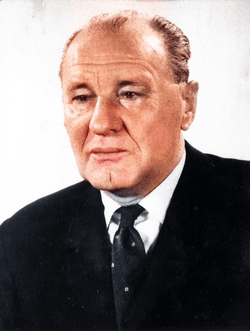
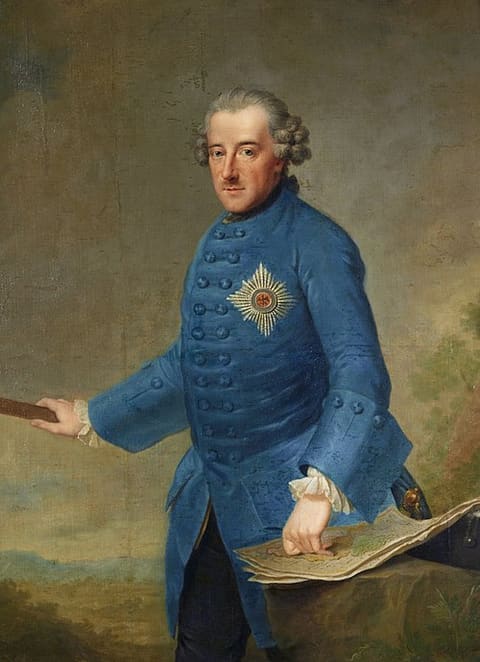
Administrative doctrine of enlightened absolutism that organized the state through a disciplined bureaucracy and centralized finances, promoting industry, population, and revenue as sources of the monarch's power.
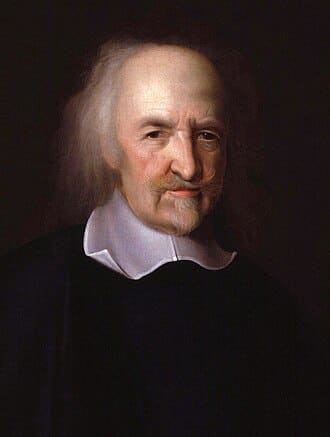
Thoroughly secular conservatism that rejects faith and clergy while defending hierarchy, family, authority, nation and inherited customs as civilizational goods, treating traditional morality as a social necessity rather than a divine commandment.
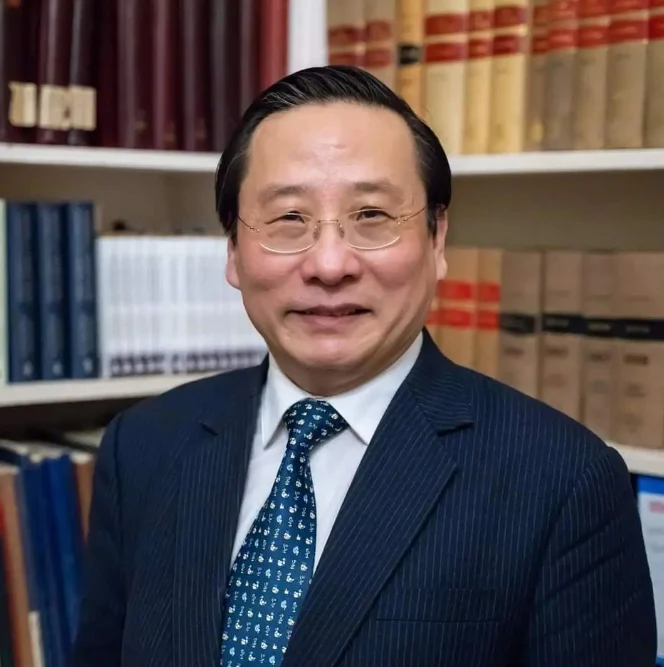
Model that entrusts the management of the state and the economy to experts and technological efficiency, combining markets, innovation, and technical decisions instead of political deliberation and traditional party competition.
Closest in other spectrums
21st-century doctrine of the CPC associated with Xi Jinping. It combines centralized Party leadership and socialist modernization, advocating national rejuvenation, predominant public ownership, and a socialist market with private enterprise and technological innovation.
Caesarist current that legitimises a charismatic leader by plebiscite above parties, combining personal authority, bureaucratic centralisation, military mobilisation and state-led modernising reforms.
Model that combines a market economy and private property with a closed political regime, in which the state guarantees order, growth, and stability while restricting civil liberties and political competition.
The most distant ideology
Anarcho-NaturismAnarchist28%